

Digital Laboratory Processes and Precise Temperature Control
Efficiency, Quality, and Process Reliability in Synergy
Increasing competitive pressure in research and industry is driving the need for laboratory processes that are not only efficient and reproducible but also flexible. While many areas have already undergone significant digital transformation, laboratories still present considerable optimization potential. Media discontinuities, manual interventions, and isolated device systems not only lead to inefficiencies but also increase susceptibility to errors and complicate compliance with regulatory requirements. Modern, integrated solutions address these challenges by combining digital workflows with high-performance equipment technology into a holistic approach.

A practical showcase by infoteam Software AG for the production of body butter demonstrates how these potentials can be realized using the middleware framework “zenLAB®.” At its core is a fully digitized workflow that seamlessly connects all process steps—from material acquisition and processing to documentation. At the start of the process, secure login ensures clear assignment of all activities. Integration into existing IT infrastructures not only enhances user convenience but also guarantees complete traceability, which is essential in regulated industries.
Material acquisition is automated in the next step via barcode or QR code scanning. Raw materials are directly matched with stored data from ERP or SAP systems, eliminating transfer errors and accelerating processes. At the same time, the system automatically initiates the appropriate workflow, ensuring that operations are always carried out with the correct parameters. This intelligent linking of data and processes ensures that quality is secured from the very beginning of the workflow.
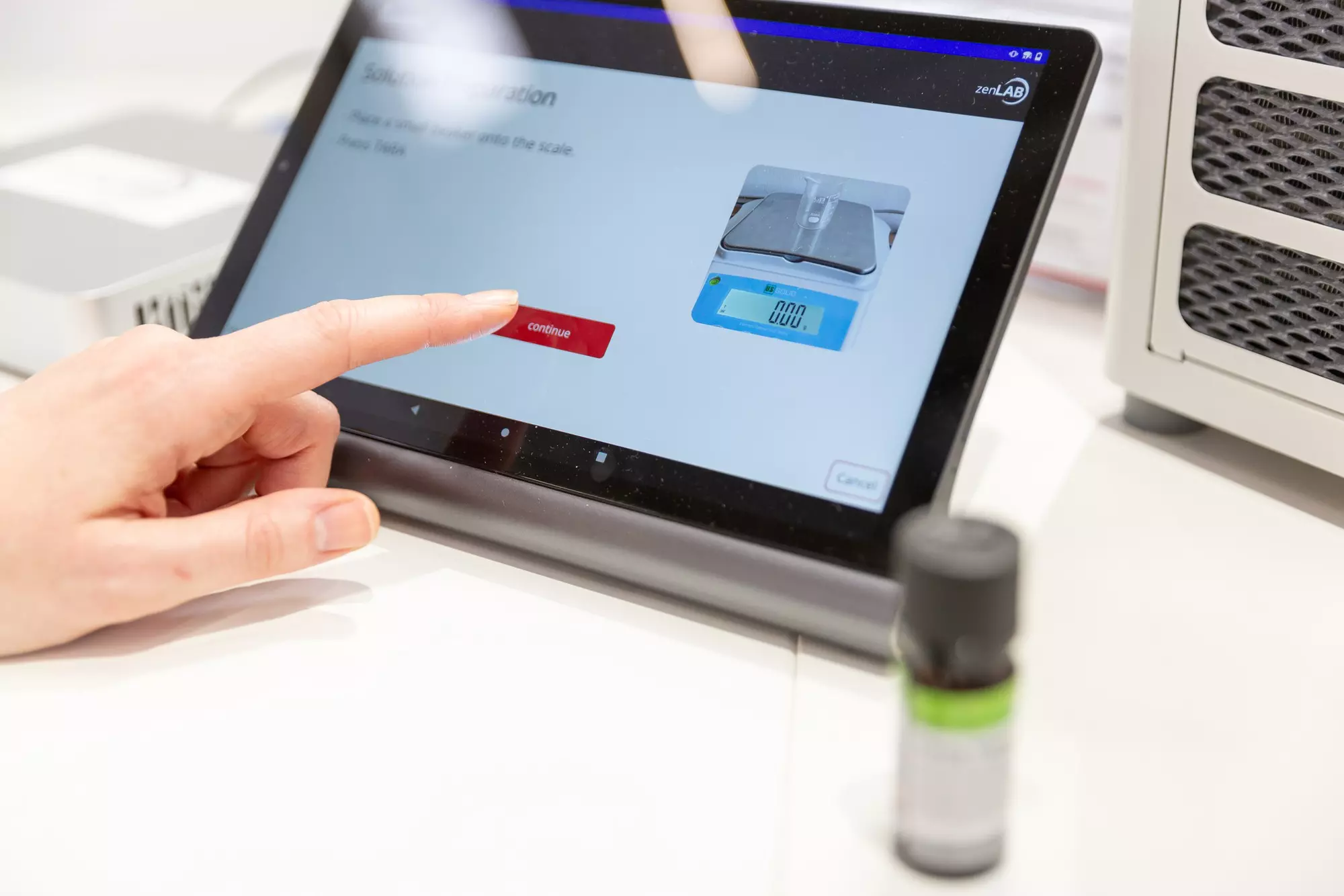
During production, the platform takes over central control and guides users step by step through the process. Devices such as scales, stirring systems, and temperature control solutions are automatically activated and operated with the required parameters. This minimizes manual input, reducing errors while increasing reproducibility. Particularly in temperature-critical applications, the importance of combining digital control with precise equipment technology becomes evident.
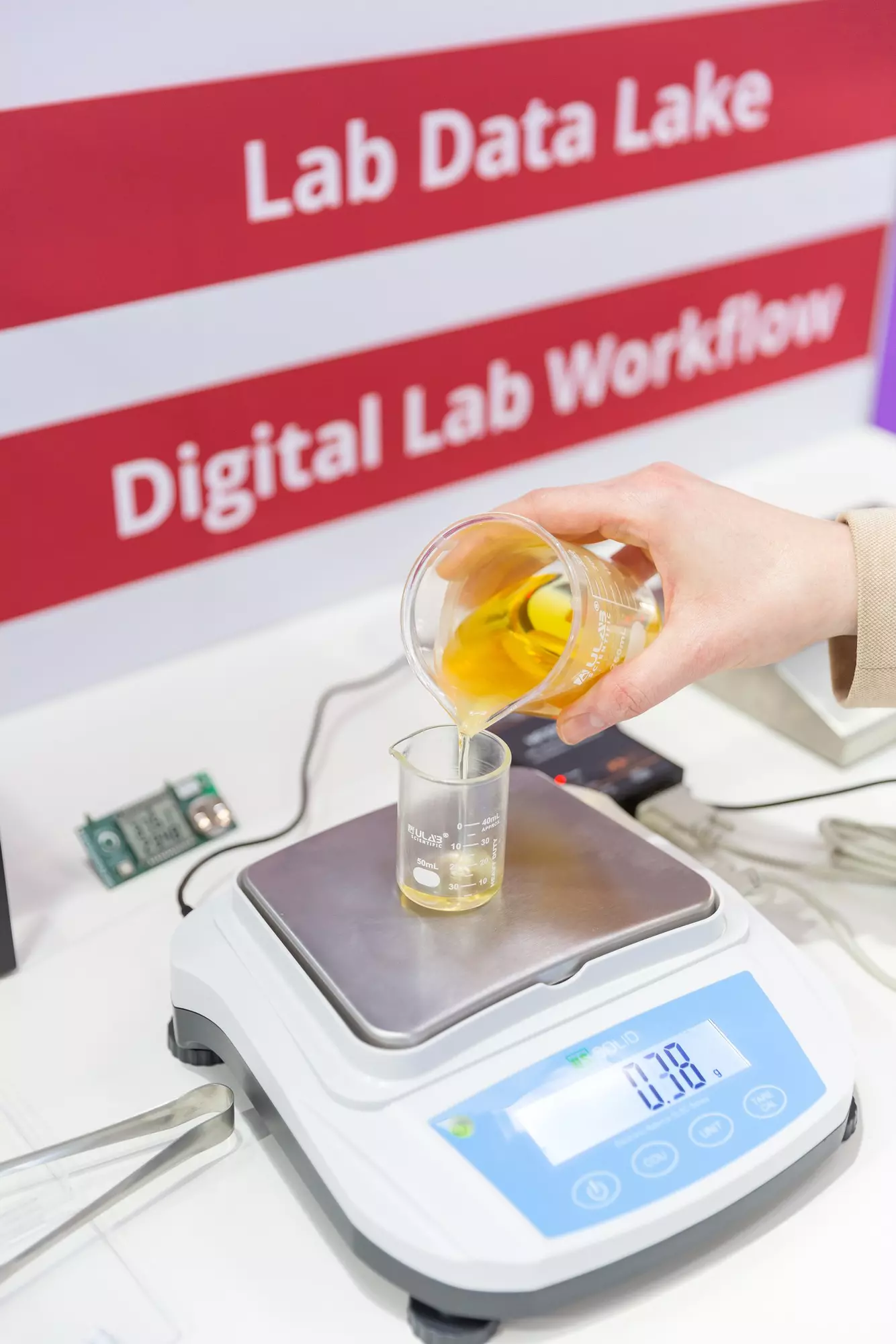
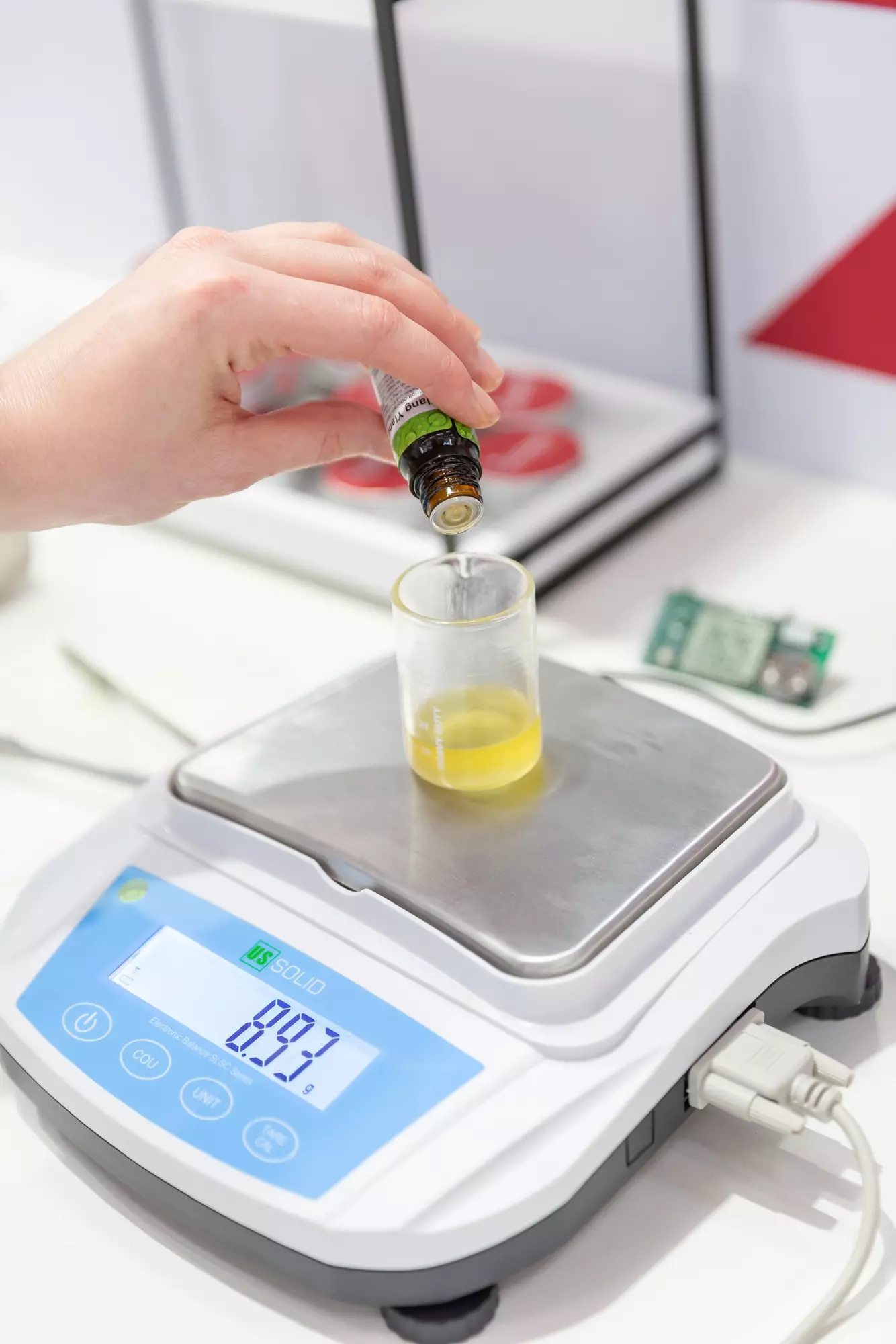
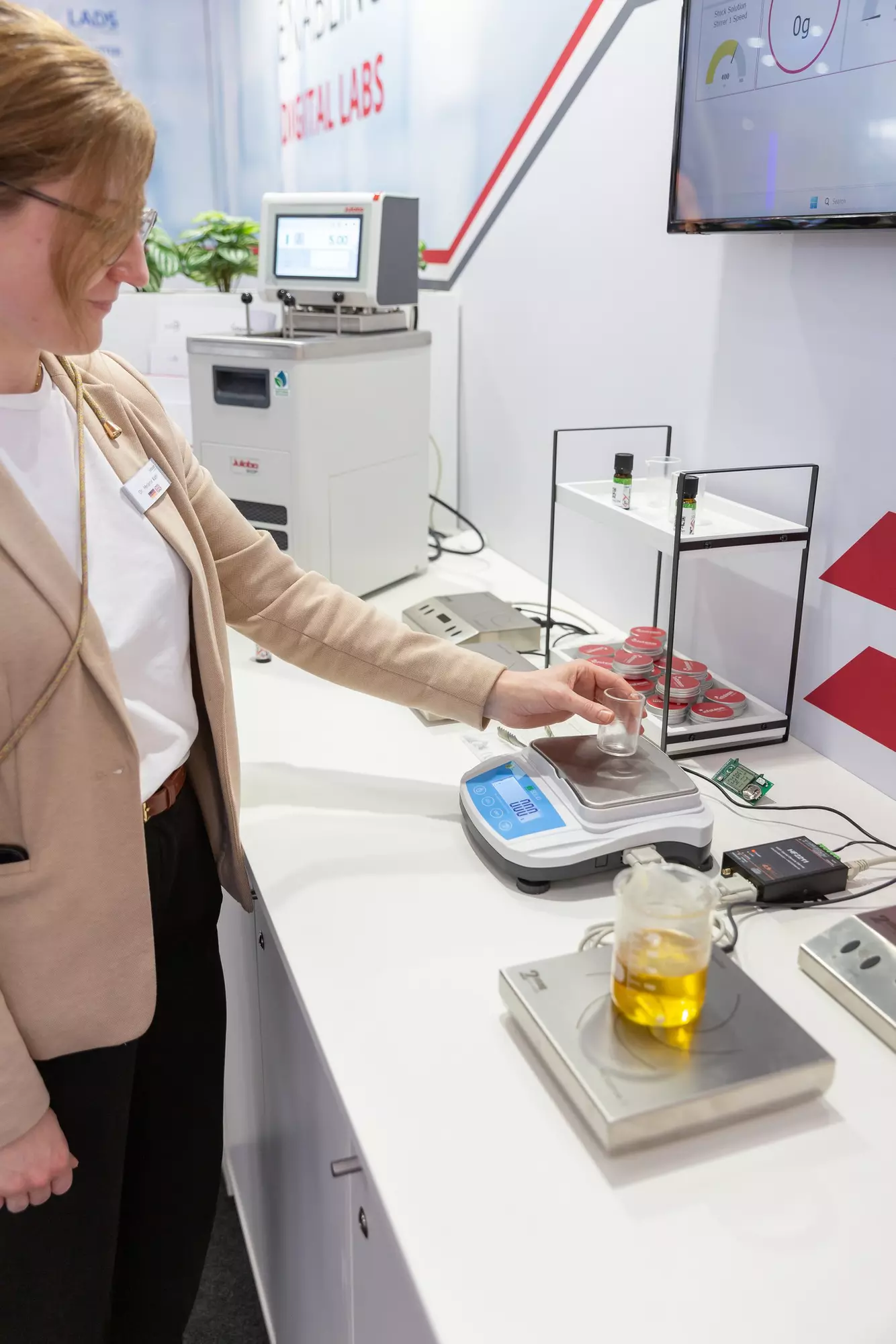
The JULABO MAGIO MS-310F used in the showcase is specifically designed for demanding temperature control tasks and integrates seamlessly into digital process environments. Its powerful, continuously adjustable pressure and suction pump ensures reliable circulation even in complex external loops. Flow rates of up to 31 liters per minute and a pump pressure of up to 0.92 bar enable stable and consistent temperature control, even under dynamic conditions.
High temperature accuracy of up to ±0.01 °C, achieved through Intelligent Cascade Control, forms the basis for reproducible results. This level of precision is crucial in quality-sensitive processes, as even the smallest temperature deviations can significantly impact material properties or reaction outcomes. The wide operating temperature range of -30 °C to +200 °C further expands the range of applications, from standard laboratory use to industrial process simulation.
Beyond performance, integration into digital infrastructures plays a key role. The thermostat features extensive interfaces such as USB, Ethernet, RS232, and Modbus TCP/IP, enabling seamless integration into existing automation and control systems. In combination with an external Pt100 connection, temperature can be measured and controlled directly within the application, further improving process accuracy. Intuitive operation via a large TFT touchscreen also supports safe and efficient use in everyday laboratory work.
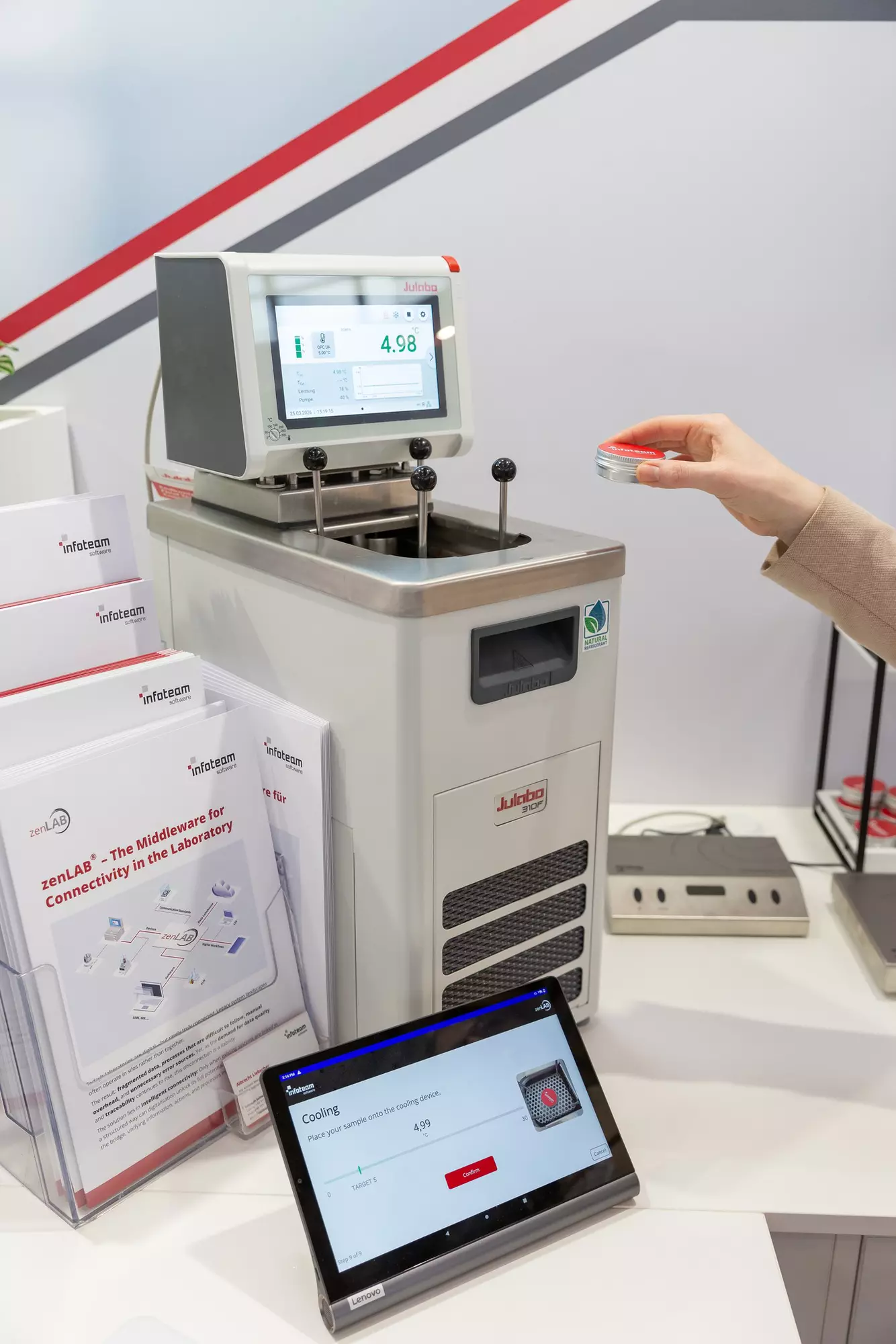
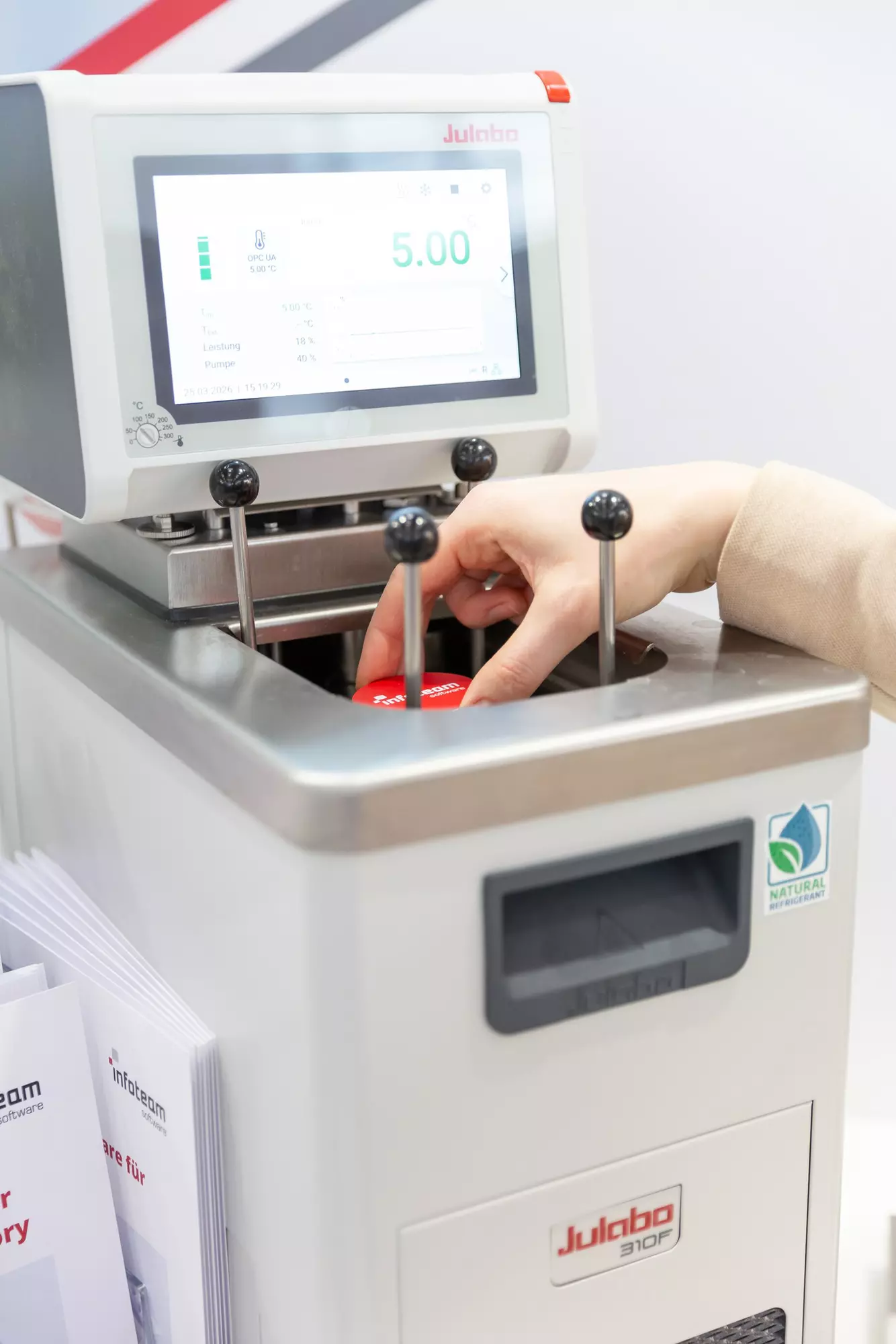
Parallel to process execution, the digital workflow continuously monitors all relevant parameters. The system automatically checks the calibration status of devices, ensuring that only valid measurement data is used. These automated validation mechanisms significantly enhance process reliability and support compliance with regulatory requirements.
Another key advantage is comprehensive documentation. All process steps, parameters, and environmental conditions are automatically recorded in an audit trail. This creates full transparency regarding who performed which action and when. Such data recording meets the highest standards of data integrity and compliance and forms the basis for audits and quality verification.
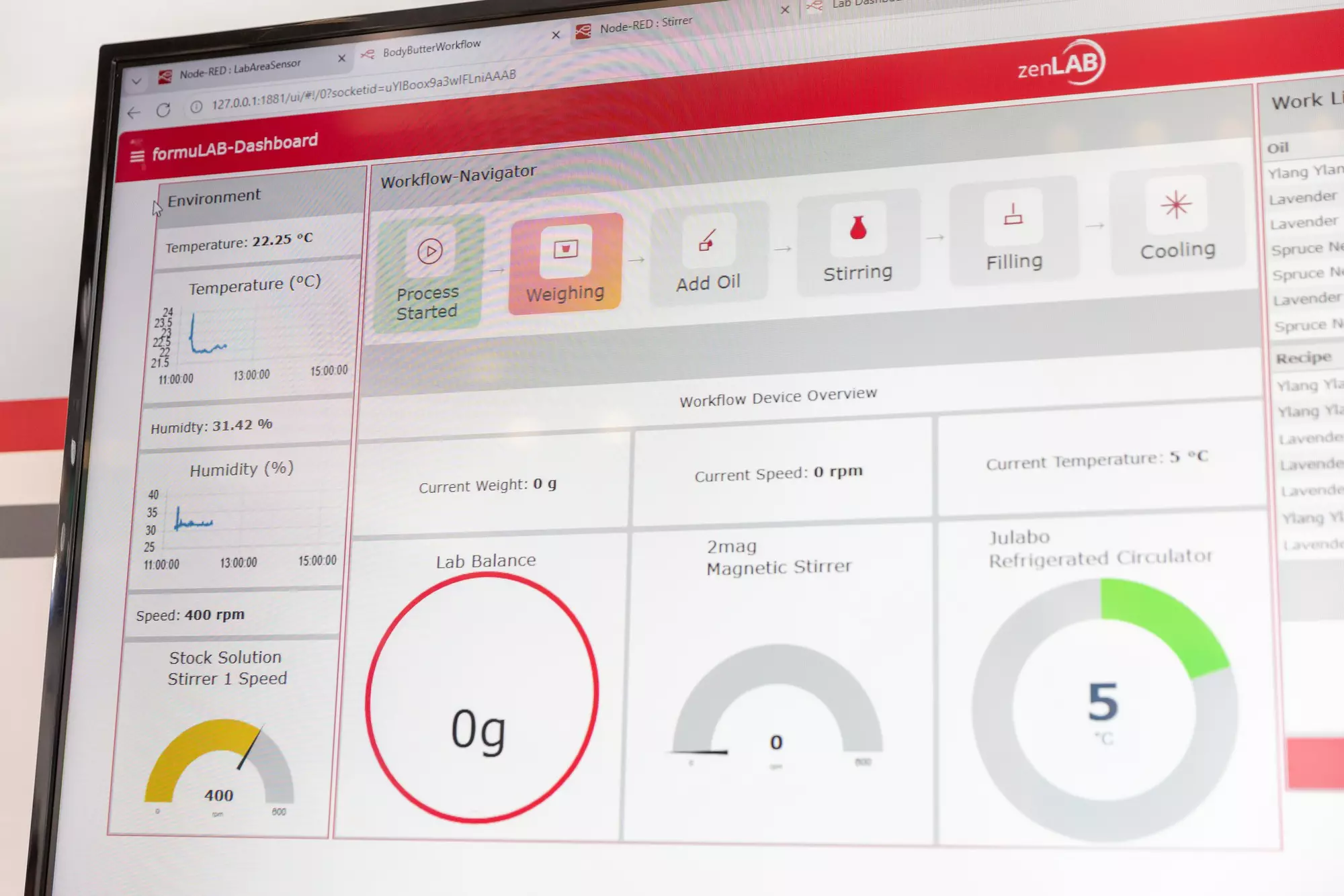
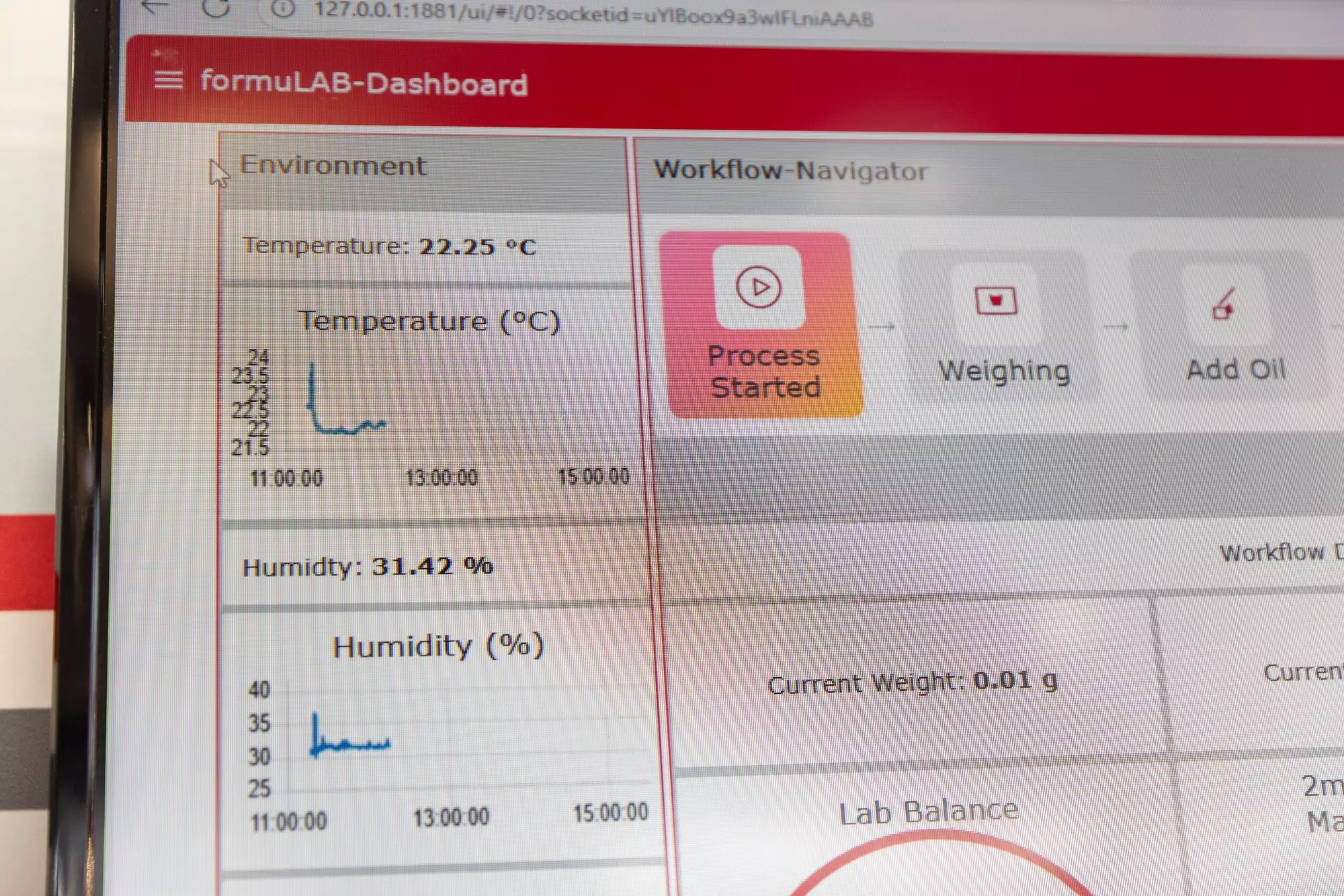
Furthermore, the structured availability of all process data opens up new opportunities for analysis and optimization. Companies can use this data to identify bottlenecks, improve processes, and detect quality deviations at an early stage. Visualizations and automated reports help present complex relationships clearly and support informed decision-making.
Organizational benefits are also significant. Digital workflows simplify the onboarding of new employees, as processes are clearly structured and easy to follow. At the same time, experienced professionals are relieved of routine tasks and can focus more on value-adding activities. The combination of digital process management and high-performance equipment thus contributes not only to increased efficiency but also to better utilization of available resources.
This approach clearly demonstrates how the integration of digitalization and precise temperature control technology can create a future-ready laboratory environment. While digital workflows ensure transparency, efficiency, and compliance, powerful temperature control systems such as the MAGIO MS-310F guarantee the necessary process stability and accuracy. Only the interaction of both components makes it possible to sustainably meet increasing demands for quality and productivity.
At a time when data integrity, energy efficiency, and process reliability are becoming increasingly important, this integrated approach is emerging as a decisive success factor. It not only provides the foundation for reproducible results but also unlocks new potential for innovation and continuous improvement in the laboratory of the future.